
Historic Trees of Mount Vernon: Preserving Our City’s Living Landmarks
Mount Vernon experiences annual tree losses which include trees that require 80 to 100 and even 150 years to grow. Trees vanish from the landscape when people begin renovation projects or driveway expansion work, or when their existence becomes unknown to others. Mount Vernon’s historical trees grow throughout its older streets because their towering canopies and their thick trunks have remained intact through many generations. Historic trees deliver multiple benefits. The trees help to maintain urban biodiversity, produce soil stabilization and create distinct character for city neighborhoods. The process of preservation starts when people learn about the trees’ significance and the complete requirements needed to sustain their existence. What Makes a Tree “Historic” in Mount Vernon? In Mount Vernon a tree needs to exceed normal size dimensions to gain historic recognition status. The tree possesses historical importance which needs to be assessed through various factors. The most apparent factor relates to tree age. Trees who reach an age range between 80 to 150 years gain heritage tree status when they demonstrate survival through multiple urban development phases. The native species white oak and sugar maple and American elm tree species from the long-living category get linked to traditional landscapes. The location of a tree requires people to understand its significance. The trees that populated Mount Vernon’s original environmental footprint create dual value as they exist beyond their function as landscape elements. Why These Trees Matter More Than You Think A mature tree in Mount Vernon does far more than provide shade. The tree contributes directly to environmental stability throughout the urban environment. The large trees in the area store carbon dioxide which results in cleaner air. The tree canopy reduces heat on the ground which helps to decrease the urban heat island effect found in areas with dense construction. Property value performs as a powerful element in the equation. Properties that feature properly maintained trees which have reached full growth status experience increased resale value because buyers perceive permanent visual and ecological advantages. Neighborhoods acquire their personality from the tree population. The trees establish visual connections between different time periods which create unbroken pathways throughout streets. The Real Threats Facing Mount Vernon’s Historic Trees The process of tree preservation requires more than simple non-interference with tree existence. Historic trees experience deterioration because various activities create problems from their surroundings. Construction operations damage tree root areas because work on sidewalks and driveways requires excavation which results in root damage. Soil compaction – When heavy machines operate on land and people walk through the area repeatedly the soil experiences compaction. The trees face danger from pathogens and diseases because they spread quickly through infected trees. Topping and aggressive cutting lead to structural damage which makes trees more likely to experience decay problems. Delayed maintenance – The process of maintenance gets postponed when people neglect to address small problems like deadwood. Homeowners fail to recognize the dangers of these problems because they require time to display their impacts. Identifying a Historic Tree on Your Property Your property might have hidden historic trees which you currently do not see. Start by observing size and structure. The identification of species presents another opportunity for tree identification. Mount Vernon’s historical districts feature native trees which include red oak and American beech as their common tree species that reach long lifespans. Visual inspection fails to deliver adequate results based on its current capabilities. Arborists with certification can explain tree age and tree health through their professional tree evaluation process. The pruning and treatment require this essential procedure before any tree work starts. Proper Care Strategies for Long-Term Preservation The preservation of a historic tree requires different methods than typical yard care procedures. The trees require specific maintenance which should concentrate on their long-term health instead of short-term solutions. Urban soil nutrients need restoration through deep root fertilization methods. Soil aeration techniques to improve oxygen flow and root health Deep watering during dry conditions helps maintain moisture for mature roots. Structural pruning to remove weak limbs Arborists perform regular inspections to identify tree health problems. Regular maintenance of trees helps them become healthier while extending the life of historic trees for many years. Legal and Community Considerations in Mount Vernon While regulations concerning tree protection in Mount Vernon are not enforced in strict terms at the household level, that does not mean that homeowners have no obligations whatsoever. In certain cases, especially for trees close to public places, permits may be needed prior to tree trimming. It is essential for all property owners to check the local laws and regulations beforehand. This way, people will make proper decisions for their own good and the overall environment. In addition, community responsibility has its part to play here. Urban forest management and tree protection programs rely on community support. When Preservation Isn’t Enough It is also possible to find circumstances in which it would be necessary to remove a historic tree. The process of evaluating trees involves determining whether there are any risks related to the safety of surrounding objects. In such a situation, removal must be performed properly in order to avoid damaging other areas. The planting of another tree belonging to a native type of plant allows for maintaining ecological balance. Although it will not preserve the history associated with it, at least continuity in the area will be preserved. The Role of Professional Arborists in Historic Tree Care The maintenance of historic trees requires professional expertise because it cannot be performed by untrained individuals. Arborists who possess professional training can identify tree biological features and structural weaknesses and assess particular urban environmental challenges. They identify diseases at their initial stages and suggest suitable treatment methods while performing tree pruning activities that maintain the tree’s health for its entire life. Mount Vernon needs precise work because its limited space and nearby infrastructure create critical requirements. The tree which has lived for more than 100 years will face a reduced lifespan because of one incorrect cut or one
Why Investing in Preventive Tree Care Saves Money in the Long Run
Many homeowners only call a tree service when a branch falls or a tree becomes an immediate hazard. However, waiting until problems develop often leads to higher repair costs and emergency services. Preventive tree care is a smart investment that keeps trees healthy, reduces safety risks, and helps property owners avoid expensive damage in the future. Prevent Emergency Tree Removal Trees that receive regular maintenance are less likely to become hazardous. Routine inspections and pruning identify weak branches, disease, and structural issues before they require emergency removal. Scheduling maintenance in advance is typically more affordable than responding to an unexpected tree failure. Reduce Property Damage Overgrown or unhealthy trees can damage many parts of your property, including: Roofs Gutters Fences Driveways Vehicles Utility lines Preventive care helps eliminate these risks before they result in costly repairs. Detect Tree Diseases Early Tree diseases often begin with subtle symptoms that are easy to overlook. Professional inspections can identify infections in their early stages, giving homeowners the opportunity to treat the tree before the damage becomes severe. Early intervention can often save trees that might otherwise need to be removed. Improve Tree Strength Regular pruning removes dead and overcrowded branches, allowing healthy limbs to grow stronger. Well-maintained trees are better able to withstand heavy winds, snow, and storms. A stronger tree is less likely to experience branch failure or structural damage. Protect Your Landscape Investment Mature trees are valuable features that increase shade, beauty, and property value. Preventive maintenance helps preserve these trees by promoting healthy growth and extending their lifespan. Replacing large trees is far more expensive than maintaining them properly. Improve Curb Appeal Healthy trees create a neat and inviting landscape. Routine trimming keeps trees properly shaped while removing damaged branches that can make a property appear neglected. A well-maintained landscape enhances the overall appearance of your home or business. Lower Long-Term Maintenance Costs Preventive tree care helps reduce future expenses by minimizing the need for emergency services, extensive pruning, or major property repairs. Regular maintenance provides long-term savings while improving the health of your landscape. Why Professional Tree Care Matters Professional tree specialists understand how to evaluate tree health, identify potential hazards, and recommend the right maintenance plan. Using proper pruning techniques and specialized equipment, they help preserve healthy trees while protecting nearby structures and landscaping. Conclusion Preventive tree care is one of the most cost-effective ways to maintain a safe and attractive property. Through regular inspections, pruning, and early problem detection, homeowners can reduce emergency expenses, improve tree health, and protect their landscape investment. A proactive approach to tree care ensures your trees remain strong, beautiful, and beneficial for many years to come.
How Professional Tree Care Increases the Lifespan of Your Trees
Healthy trees can thrive for decades when they receive proper care. However, without regular maintenance, they become more vulnerable to disease, storm damage, and structural problems that shorten their lifespan. Professional tree care helps trees grow stronger, remain healthier, and continue adding beauty and value to your property for many years. Routine Care Prevents Major Problems Many tree issues begin as small concerns that are easy to correct. Regular inspections and maintenance help identify problems before they become serious. Professional tree care can detect: Early signs of disease Insect infestations Weak or damaged branches Root problems Poor tree structure Storm-related damage Early treatment often prevents expensive tree removal in the future. Proper Pruning Encourages Healthy Growth Pruning removes dead, damaged, and overcrowded branches that compete for nutrients. This allows the tree to direct its energy toward healthy growth while improving its overall structure. Regular pruning also increases airflow and sunlight throughout the canopy, reducing the risk of fungal diseases. Strengthen Trees Against Severe Weather Trees that receive routine maintenance are better prepared for strong winds, heavy rain, and winter storms. Removing weak limbs and balancing the canopy reduces stress on the tree and minimizes the chance of storm-related failures. Preventive care helps avoid emergency situations. Improve Root Health Healthy roots provide the foundation for a strong tree. Professional tree care includes evaluating soil conditions, drainage, and root stability to ensure trees receive the nutrients and moisture they need. Protecting the root system is essential for long-term tree health. Increase Property Value Large, healthy trees are valuable landscape features that improve curb appeal and provide shade. Well-maintained trees make residential and commercial properties more attractive while contributing to higher property values. Investing in routine tree care helps preserve this long-term asset. Reduce Safety Risks Weak branches and declining trees can become dangerous over time. Regular maintenance removes potential hazards before they threaten homes, vehicles, sidewalks, or outdoor living spaces. A healthy tree is a safer tree. Benefits of Professional Tree Care Routine tree maintenance provides numerous advantages, including: Longer tree lifespan Improved tree health Reduced disease and pest problems Better storm resistance Increased property value Enhanced landscape appearance Lower long-term maintenance costs Consistent care keeps trees healthy throughout every season. Why Hire Experienced Tree Professionals? Tree care requires specialized knowledge of different tree species, growth patterns, and proper maintenance techniques. Professional arborists understand how to diagnose problems accurately and recommend the right solutions while protecting your property and preserving healthy trees whenever possible. Conclusion Professional tree care is an investment in the long-term health and beauty of your landscape. Through regular inspections, pruning, preventive maintenance, and early problem detection, homeowners can extend the lifespan of their trees while improving safety and reducing future expenses. Healthy trees continue to provide shade, beauty, and value for generations when they receive the care they deserve.
Why Removing Diseased Trees Protects Your Entire Landscape
A single diseased tree can threaten the health and safety of your entire property. While some tree diseases can be treated, others spread quickly and cause irreversible damage. Removing a severely diseased tree at the right time helps protect nearby trees, prevents safety hazards, and keeps your landscape healthy for years to come. Tree Diseases Can Spread Quickly Many fungal infections, bacterial diseases, and insect infestations move from one tree to another through roots, insects, or airborne spores. If a diseased tree is left untreated, nearby healthy trees may also become infected. Early removal helps stop the spread before it affects your entire landscape. Recognize the Warning Signs Homeowners should watch for symptoms that may indicate serious tree disease, including: Dead branches Yellowing or spotted leaves Peeling or missing bark Mushrooms growing around the trunk Large cracks or cavities Excessive insect activity Branches dying from the top down A professional inspection can determine whether the tree can be treated or should be removed. Improve Property Safety Diseased trees gradually lose their structural strength. As decay spreads through the trunk or root system, branches become brittle and the tree becomes more likely to fail during storms or high winds. Removing hazardous trees before they collapse protects your home, vehicles, and outdoor spaces. Protect Healthy Trees Healthy trees compete for sunlight, water, and nutrients. A diseased tree not only spreads infection but also weakens the surrounding landscape by attracting insects and reducing the overall health of nearby vegetation. Professional removal helps preserve the long-term health of your property. Prevent Pest Infestations Many insects are attracted to weakened or dying trees. Once established, these pests may spread to nearby trees or wooden structures around your home. Removing infected trees early reduces the risk of widespread pest problems. Improve the Appearance of Your Landscape Diseased trees often have thinning canopies, dead limbs, and discolored foliage that negatively affect curb appeal. Removing unhealthy trees instantly improves the appearance of your property and creates opportunities for new landscaping. You can use the newly available space for: Planting healthy trees Flower gardens Lawn expansion Outdoor seating areas Decorative landscaping Why Professional Tree Removal Is Recommended Removing a diseased tree requires proper equipment and experience, especially if the tree is unstable or located near buildings. Professional tree care specialists safely remove infected trees while minimizing the risk of spreading disease during the process. They also provide debris removal and stump grinding to complete the project. Benefits of Early Tree Removal Prevents disease from spreading Improves property safety Protects nearby healthy trees Reduces pest infestations Enhances curb appeal Creates more usable outdoor space Prevents costly emergency situations Conclusion Removing a diseased tree is often the best way to protect the health of your landscape. By acting early, homeowners can prevent disease from spreading, reduce safety risks, and maintain a beautiful outdoor environment. Regular tree inspections and prompt professional care help ensure your property remains safe, healthy, and attractive throughout every season.
How Tree Trimming Helps Prevent Property Damage Throughout the Year

Trees are an asset to any property, providing shade, beauty, and environmental benefits. However, without regular trimming, they can become a source of costly property damage. Overgrown branches, dead limbs, and weakened canopies increase the risk of accidents, especially during storms. Professional tree trimming helps keep trees healthy while protecting your home and landscape throughout every season. Remove Weak and Overgrown Branches As trees mature, some branches become damaged, diseased, or excessively long. These branches are more likely to break during high winds or heavy snow. Professional trimming removes weak limbs before they become dangerous, improving both tree health and structural stability. Protect Your Roof and Gutters Branches growing over your roof can scrape shingles, clog gutters with leaves, and trap moisture that may lead to roof damage. During storms, these branches can snap and cause significant structural problems. Routine trimming keeps branches safely away from your home and reduces maintenance costs. Improve Visibility Around Your Property Overgrown trees can block driveways, sidewalks, entrances, and outdoor lighting. Thick branches may also reduce visibility for drivers and pedestrians. Tree trimming improves sightlines while making your property safer and more accessible. Reduce Storm Damage Strong winds place tremendous pressure on heavy tree canopies. Removing excess weight through professional trimming helps trees withstand severe weather while reducing the likelihood of falling branches. Preventive maintenance is especially valuable before storm season begins. Promote Healthy Tree Growth Tree trimming is not only about safety—it also supports healthier growth. Removing damaged and overcrowded branches allows nutrients to reach healthy limbs while improving sunlight exposure and airflow throughout the canopy. Healthy trees are more resistant to disease and insect infestations. Protect Nearby Trees and Plants Dense canopies often block sunlight from reaching nearby shrubs, gardens, and grass. Strategic trimming allows more natural light to reach surrounding plants, creating a healthier and more balanced landscape. This also improves the appearance of your entire yard. Why Professional Tree Trimming Matters Tree trimming requires knowledge of tree biology and proper pruning techniques. Improper cuts can weaken a tree, increase disease risk, or permanently affect its growth. Professional tree care specialists know how to trim different tree species safely while preserving their health and natural shape. Benefits of Routine Tree Trimming Reduces the risk of falling branches Protects homes and vehicles Improves tree health Increases sunlight and airflow Enhances curb appeal Prevents storm-related damage Extends tree lifespan Conclusion Routine tree trimming is one of the most effective ways to protect your property while maintaining healthy, attractive trees. By removing hazardous branches, encouraging strong growth, and preparing trees for changing weather conditions, professional tree care helps homeowners avoid costly repairs and enjoy a safer, more beautiful landscape all year long.
Why Regular Tree Inspections Are the Key to Long-Term Tree Health
Healthy trees don’t happen by chance—they require regular care and professional attention. While pruning and trimming are important, routine tree inspections are one of the most effective ways to identify problems before they become serious. By scheduling regular inspections, homeowners can protect their landscape, improve safety, and avoid expensive emergency tree services. Catch Problems Before They Grow Many tree issues begin long before visible damage appears. Internal decay, insect infestations, and root problems often develop slowly and may go unnoticed without a professional evaluation. Routine inspections help detect: Hidden decay Diseased branches Insect activity Root damage Structural weaknesses Storm-related injuries Early detection often saves both the tree and the homeowner from costly repairs. Improve Tree Health A professional inspection helps determine exactly what your trees need to remain healthy. In some cases, simple pruning or trimming is enough to improve growth and prevent future problems. Healthy trees are more resistant to: Disease Pest infestations Drought stress Severe weather Proper maintenance extends the lifespan of valuable landscape trees. Reduce Safety Hazards Weak limbs and unstable trees can become dangerous without warning. Regular inspections identify branches that may fall over homes, vehicles, sidewalks, or outdoor living areas. Removing hazards before they fail creates a safer environment for your family and visitors. Prepare for Storm Season Storms often expose weaknesses that have been developing for years. Trees with damaged limbs or unstable root systems are much more likely to fail during strong winds or heavy rain. Scheduling an inspection before storm season allows professionals to recommend pruning or removal when necessary, reducing the risk of emergency situations. Protect Your Property Trees growing close to buildings should be monitored regularly. Overgrown branches can damage roofs, gutters, fences, and utility lines if left unmanaged. Routine inspections help maintain safe clearances while preserving the natural beauty of your landscape. Save Money on Future Repairs Preventive tree care is significantly less expensive than emergency tree removal or repairing storm damage. Identifying small problems early helps homeowners avoid major expenses later. Regular maintenance protects both your landscape and your investment. Signs Your Tree Needs an Inspection Consider scheduling a professional evaluation if you notice: Dead or hanging branches A leaning trunk Mushrooms near the base Cracks in the bark Sudden leaf loss Exposed roots Large branches rubbing together These warning signs may indicate structural or health problems that require immediate attention. Why Hire Professional Tree Experts? Experienced tree care professionals understand how to evaluate tree health, identify hidden hazards, and recommend the most effective solutions. Whether your trees require trimming, pruning, treatment, or removal, professional guidance helps ensure every service is performed safely and correctly. Companies like Mt. Vernon Tree Service provide inspections, trimming, removal, stump grinding, and emergency tree services for residential and commercial properties. Conclusion Regular tree inspections are one of the smartest investments you can make for your landscape. By identifying hidden problems early, improving tree health, and reducing safety risks, professional inspections help protect your property while keeping your trees strong and beautiful throughout every season.
How Much Does Tree Removal Cost in Mt. Vernon, NY? Complete 2026 Price Breakdown
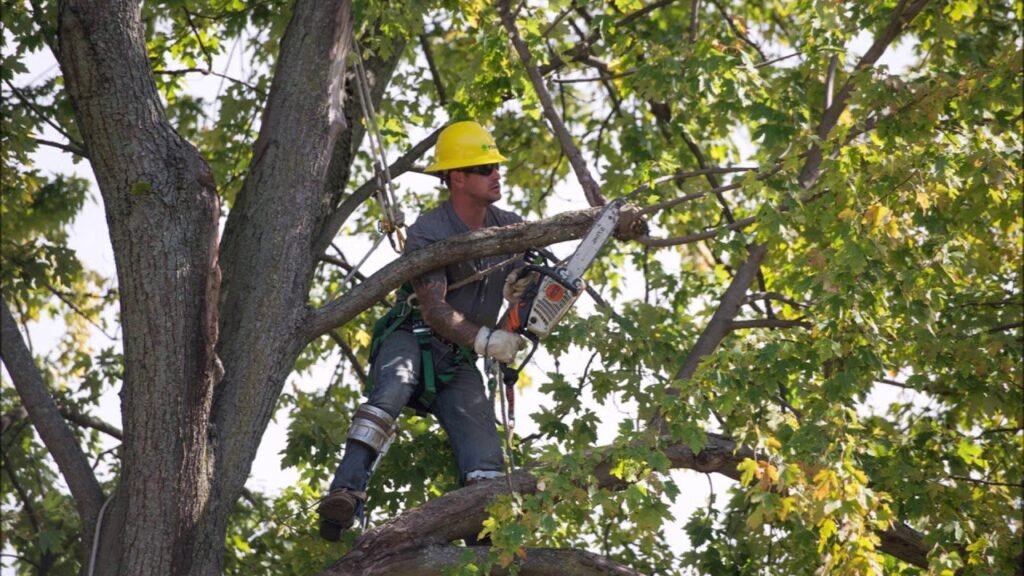
For generations, Mount Vernon has been known as the “City of Trees,” and the canopy that provides character to the city, from Fleetwood all the way to the South Side, is why the process of removing trees in Mount Vernon is a little different than the typical suburb. The price is not only based on the height of the tree, but also by the extent of the city’s tree preservation code and how closely the city buildings are to the trees in question. This is a comprehensive, up-to-date analysis of what Mount Vernon homeowners will end up paying in 2026, what can make that figure more or less, and why the city’s local ordinance is more significant than the ordinance in many Westchester communities. Quick Answer: Average Tree Removal Costs in Mount Vernon Tree Size Typical Height Estimated Cost Range Small Under 30 ft $150 – $450 Medium 30 – 60 ft $450 – $900 Large 60 – 80 ft $700 – $1,500 Very Large / Hazardous 80 ft+ $1,500 – $2,500+ The average cost for a standard single tree removal is in the $600 to $950 range throughout the city, though there is a lot of variability depending on tree size (trunk diameter), tree density (canopy cover), and the proximity to structures and utility lines. Older, established neighborhoods with larger street trees and smaller side yards generally fall on the high end of these ranges, just because it is more difficult to reach these trees and the trees are larger. How Tree Removal Pricing Actually Works There are three common methods of quoting that licensed tree services in Mount Vernon follow and this will make it significantly easier to compare quotes; know the method you are being quoted by and it will also help you to understand what it means. Flat per-tree pricing is the standard for most residential removals. It’s a single number based on height, trunk diameter at breast height (DBH), species, canopy spread and site accessibility. Hourly crew rates show up more often on multi-tree jobs or extended cleanup projects. Single climber solo: $125-$250 per hour, three climbers including chipper and rigging: $250-$450 per hour. Arborist assessment fees apply when a tree’s health or structural stability needs a professional opinion before anyone touches a saw. An ISA-certified arborist inspection is usually priced at between $100 & $250, and is definitely worth it for any tree that is near a residence, a shared fence line or a power line, as the evaluation is often used in a permit application anyway. Ask for an itemized quote that separates felling, limb removal, debris hauling, and stump work as distinct line items. When estimates are bundled and vague, it’s incredibly difficult to know what the estimate is for and to compare one company’s estimate with another company’s estimate. What Drives the Cost Up or Down The largest single cost factor is tree size/trunk diameter. A wider DBH means more time on the saw, heavier sections to rig and lower, and more wood to haul off-site. It’s also the exact measurement Mount Vernon’s own tree code uses to define a “significant tree,” which ties directly into the permitting section below. Accessibility is an incredibly important issue in the city of Mount Vernon. Older neighborhoods, such as Fleetwood, have narrow lots that often can’t accommodate a bucket truck, and tight side yards, which are located next to Third Street, can’t house the truck. Backyards boxed in by neighboring garages and fences also often cannot fit a bucket truck. If they must use rigging, a crane or take cautionary measures to protect a fence, roofline or a neighbor’s property, add another $300 to $1,500 to the base removal fee, depending on the complexity of the project. Species is a factor that is more significant than most homeowners realize. Tree species that grow rapidly, have weak wood and split limbs, such as silver maple or Norway maple, can increase the duration of the task and the risk. Hardwoods such as oak, which are more dense and are associated with sugar maple, (which is common across the city) will take longer to cut and section cleanly. Sweet birch and red maple, common trees on Mount Vernon lands, will normally be in the middle range of prices. Changing tree health and structure is expensive, too. A dead, storm damaged, or disease stressed tree is a tree that is inherently more expensive to climb and cut for labor cost reasons, as well as being potentially a more difficult tree to climb. The presence of power lines and buildings reduces the speed of everything. When trees are located near overhead power lines, near a property’s foundation or hanging over a roof, the cutting process must be carefully and thoughtfully rigged and in some cases coordinated with the utility company before cutting may begin. Your per tree rate will be affected by number of trees removed in one visit. When multiple removals are bundled, the cost per tree will generally be less because the mobilization, equipment set-up and disposal costs are distributed over the entire job rather than per removal. Always confirm upfront debris removal and hauling. Depending on the density of the city, space for a chipper truck can be limited, so some hauling may be charged separately and is typically between $75-$250 per load. Stump Grinding and Removal Costs Once the tree is down, most homeowners still need the stump handled. In Mount Vernon, typical pricing runs: Stump grinding: $75 – $350, depending on stump diameter and root spread Full stump removal (extraction): $200 – $500, more labor-intensive since it involves pulling the root ball rather than grinding it below grade Grinding is typically the more affordable solution if you’re replanting in the area soon or just wish the stump is not visible. Full extraction is a higher cost but is warranted if the yard is to be regraded or a patio, shed or garden bed needs to be put in at the site of
Tree Service New York City, NY – Affordable & Professional Tree Services
In today’s modern and advanced times, in a large and quickly growing city like New York City, NY, the importance of trees cannot be ignored. Among skyscraper buildings, highways, residential buildings and commercial areas, trees create a natural balance that makes the environment livable, cozy and healthy. They are not just a part of greenery; they clean and purify the air, absorb carbon dioxide and help manage the city’s temperature. Still, in such a dense and heavy city environment, keeping trees safe, healthy and well-maintained becomes a challenging task and plan. That is why the demand for affordable and skilled tree services has increased greatly in New York City. MT Vernon Tree Service is a trusted and reliable company that provides expert tree care, trimming, cutting and removal services to housing and commercial customers, guaranteeing their property remains safe, clean and beautiful. Expert Tree Services Concept: Expert tree services do not simply mean cutting or trimming trees. Instead, it is a complete care and protection system in which the health, structure and safety of trees are properly managed and handled. In a city environment like New York City, every tree has a different condition because some areas have higher pollution, some have limited space and others may have weak soil conditions. Therefore, it is required to review and examine every tree personally. MT Vernon Tree Service examines and surveys every tree in detail and provides the best or perfect solution according to its condition. Their method is both scientific and helpful, where long-lasting health and safety of trees are given priority and focus. Expert services not only increase the lives of trees but also improve the overall value of the property. Affordable Tree Care Solutions: In today’s time, every property owner needs high-quality services at a reasonable or affordable cost. Tree services can sometimes feel costly, but skilled companies provide affordable solutions or options so that every customer can maintain their property properly. MT Vernon Tree Service provides affordable tree care solutions to its customers. They carefully and skillfully review every project and provide fair rating structures. This allows both housing and commercial customers to receive budget-friendly services without compromising on quality. The concept of affordability makes them reliable and accessible in the market. Importance of Tree Trimming and Maintenance: Tree trimming is an important maintenance method that improves both the health and beauty of trees. When branches grow uncontrollably, they not only look unattractive or messy but can also become dangerous. These branches may pose risks to buildings, roads and power lines. MT Vernon Tree Service performs trimming in a very skilled manner. They do not just remove extra branches but also maintain the natural shape and balance of the tree. Proper trimming improves sunlight exposure and air flow, which is very important for healthy tree growth. This method keeps trees strong, stable, beautiful and attractive, making the environment of a modern and advanced city like New York even better. Tree Removal Services and Safety: Tree removal is a sensitive, difficult and high-risk method that can only be safely performed by trained experts. When a tree becomes dead, diseased or starts posing a risk to a building or road, it becomes important to remove it. Still, without proper planning, tree removal can be dangerous and risky. MT Vernon Tree Service manages tree removal with great care. First, they conduct a detailed survey of the tree and its nearby area. After that, they design a safe removal plan where every step is controlled and managed. In a crowded and busy city like New York, safety is very important and skilled removal greatly reduces the risk of accidents and property damage. Challenges of City Tree Environment: In an city environment like New York City, maintaining trees is a difficult plan. Limited space, pollution, construction activities and underground utilities or services all directly affect tree growth. Many trees are located in areas where they do not receive proper nutrients, sunlight, water or enough space for their roots. MT Vernon Tree Service understands these challenges and uses modern and the latest solutions to deal with them. They apply soil care methods, root protection methods and controlled watering systems to guarantee trees remain healthy and stable even with city pressure. In this way, trees not only survive but also become a strong and powerful part of the environment. Role of Emergency Tree Services: Sometimes, unexpected and sudden situations such as storms, heavy winds or accidents cause trees to fall or become dangerously unstable. In such situations, a quick response is very important to protect people and property. MT Vernon Tree Service provides emergency tree services where their trained and expert team responds quickly. They safely remove or stabilize damaged trees so that the area becomes secure and safe as soon as possible. In a busy city like New York, these services are very important because any delay can directly impact traffic, buildings and public safety. Expert Tools and Safety Rules: Tree service work is very risky and dangerous, so the use of proper tools and strict safety rules is important. Without expert tools, the risk of accidents and property damage increases greatly. MT Vernon Tree Service uses modern and advanced tool and follows industry-approved safety rules. Their team is fully trained or expert and uses protective suits or gear at all times. Every project is fulfilled carefully and successfully to guarantee the work is completed safely and skillfully. Safety is an important part of their service theory. Eco-Friendly Tree Care Method: Environmental protection has become very important in today’s world. People now prefer eco-friendly services that do not harm nature. The tree care industry is also shifting towards sustainable uses. MT Vernon Tree Service uses eco-friendly methods such as waste recycling, minimizing chemical usage and adopting natural tree care methods. This process keeps the environment safe and allows trees to grow naturally. In modern cities, maintaining environmental balance is a major challenge, and such practices are very important. Residential and Commercial Tree Services:
Tree Removal Service New York City, NY – Safe & Expert Tree Removal
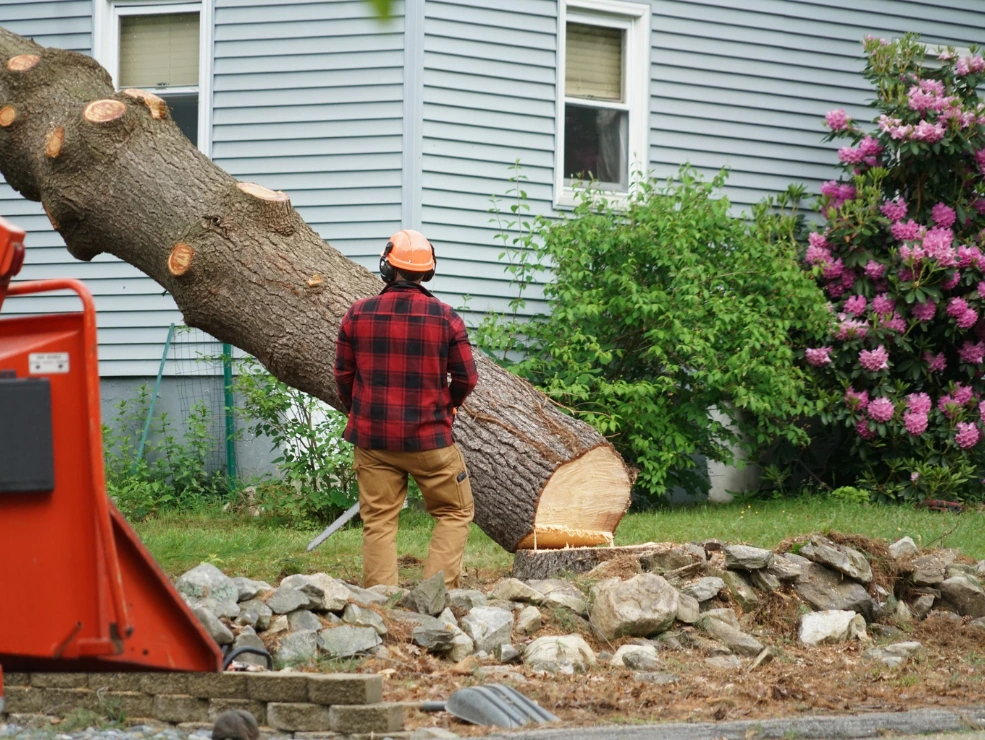
In today’s modern and advanced times, the importance of trees is obvious, especially in a large and busy city like New York City, where buildings, traffic and stable city development create massive pressure on the environment. Trees not only improve the beauty of the nearby area but also play an important role in purifying or cleaning the air, providing shade and maintaining the overall balance and look of the environment. Still, there are times when situations happen where tree removal becomes required. This is not a simple task and plan and requires proper planning, skill and safety steps. That is why skilled services like MT Vernon Tree Service become very important, as they provide safe and expert tree removal solutions. Why Tree Removal Becomes Required: Tree removal is not always useless, but there are specific situations where it becomes important. For example, when a tree becomes dead or infected with disease and pests, it can pose a risk to nearby healthy trees. If the branches of a tree become weak or are damaged after a storm, they can fall at any time, causing danger and risk to people and property. In a city like New York City, where space is already limited, tree removal is sometimes required for construction or renovation projects. If a tree grows too close to a building and its roots start damaging the foundation, removing it becomes the best and most perfect option. Skilled companies like MT Vernon Tree Service understand that every decision about tree removal should be made carefully or skillfully and only performed when really needed. The Importance of Safety: The most important aspect and part of tree removal is safety. This is not as simple as cutting down a tree with a chainsaw. It requires proper surveys, tools and trained staff. If an inexperienced person attempts this task and plan, it can lead to serious injuries and create risks for others as well. Skilled teams first conduct a complete survey of the tree. They review and examine the direction in which the tree could fall, check for nearby buildings or electrical wires and detect the safest method of removal. Companies like MT Vernon Tree Service use modern and advanced tools and safety gear or suits to reduce the chances of accidents. Expert Tree Removal Methods: Tree removal is an expert and skilled method that involves different processes depending on the situation or conditions. If a tree is based in an open area, it can be cut and taken down directly. Still, if the tree is in a tight space circled by buildings or cars, then sectional removal methods are used. In this method, the tree is cut into smaller sections and every part is carefully and skilfully lowered to the ground. Although this process takes more time, it is much safer. The experts at MT Vernon Tree Service select the most suitable and useful method for every situation to avoid damage and reduce risks. Use of Advanced Tools: Modern and advanced tree removal services generally use advanced and modern tools. Cranes, ropes, gears and heavy-duty cutting tools make the method safer and more effective. In a city like New York City, where space is limited, crane-supported tree removal is especially useful and helpful. Skilled and expert teams know exactly which tool to use in different situations and conditions. This not only speeds up the work but also guarantees maximum safety and rules. MT Vernon Tree Service uses the latest or advanced tools and technology to provide the best possible results to its customers. Environmental Responsibility: While removing trees, it is equally important to consider and examine environmental responsibility. Not every tree should be removed, which is why skilled and expert companies first survey or examine replace solutions such as trimming or cutting. If tree removal is unavoidable and unpreventable, proper cleanup and waste disposal are important. Some companies recycle wood or transform it into fertilize to reduce environmental affect. MT Vernon Tree Service also follows eco-friendly uses and plans to reduce harm to the environment. Emergency Tree Removal Services: Sometimes unexpected situations such as heavy storms or strong winds cause trees to fall or become dangerous and risky. In such cases, emergency tree removal services are required. In New York City, storms commonly result in trees blocking roads or damaging buildings. Quick and fast response in such situations is very important. MT Vernon Tree Service provides fast, helpful and reliable emergency services, helping people get relief as quickly as possible. Property Value and Attractiveness: Proper tree management improves both the value and look of the property. Dead or damaged trees make a property look unattractive or ugly and create a negative impression for possible buyers. When skilled tree removal and maintenance are performed, the landscape lools neat&clean, maintained and well-organized. This not only improves the beauty of the property but also improves safety and protection. MT Vernon Tree Service provides solutions that make properties more attractive, charming and secure. Cost and Investment Viewpoint: Many people consider and examine v as an expense, but in reality, it is an investment. If a dangerous and risky tree is not removed on time, it can cause greater damage and higher costs in the future. The cost of expert and trained services depends on the size, location and condition of the tree. Still, when safety and quality are taken into account, the cost is justified. MT Vernon Tree Service provides clear ratings and reliable services, guaranteeing customers get full value for their investment. Importance of a Skilled Team: Tree removal is a plan where experience and skill matter greatly. Trained experts know how to handle different situations and reduce risks successfully. A skilled team does not just remove the tree; they manage the complete process, including surveys, planning, performance and cleanup. The team at MT Vernon Tree Service includes skilled and trained experts who complete every project successfully and skillfully. Conclusion: In conclusion, tree removal is a sensitive and technical method that should not be
Westchester’s Native vs. Invasive Trees: A Mount Vernon Homeowner’s Identification Guide
Did you realize that one invasive tree can silently occupy your whole backyard in a few seasons in Mount Vernon? The majority of the homeowners are unaware of the situation until they find themselves in a situation where they see broken walkways, congested yards or trees where they have never planted anything. In Westchester County, the distinction between a native and an invasive tree is not merely a botanical fact but it has a direct effect on your soil stability, property safety and even on the local wildlife. You might be beginning to work with an invasive species without even realizing it, should you have witnessed fast-growing shoots, trees that shade out everything that is located beneath them, or roots spread to greater distances than you had imagined. It is not a matter of choice but of necessity to understand what is growing on your property. Why Tree Identification Matters in Mount Vernon Mount Vernon’s environment supports a wide mix of tree species. That is a nice thing to hear, but it presents an insidious issue. Native trees are planted in harmony with the ecosystem, and invasive species force all out. What is produced is a landscape that appears to be green on the surface but is really volatile beneath it. In areas such as Fleetwood or Chester Heights, there are trees that were planted many decades ago, intermingled with some new growth. With time, invasive species start dominating. They outcompete the plants around them, damage the plants, and frequently lead to structural problems through aggressive root growth. Most people in the homes confuse such a rapid growth to be a sign of healthy landscaping yet the opposite is the case. Native Trees in Westchester: What Healthy Growth Looks Like Native trees have been accustomed to the soil, rainfall, and the seasonal variations in Westchester. They grow slowly, have well-established root systems and do not disturb local ecosystems instead of destroying them. Oak Trees (Quercus species) When you have a big, heavy tree with broad branches, and lobed leaves, it is probably a native oak. One of the most worthwhile trees that you would have on your property is oaks. They are slow growing but with deep and stable roots that do not affect foundations. Their canopy permits filtered sunlight, which in turn does not block other plants, but enables them to grow. When you have a mature oak, then it is an indication that your landscape is well balanced and working as it should be. Sugar Maple (Acer saccharum) Older homes in Mount Vernon have sugar maples, which are simple to identify once you have the knowledge of what you are looking at. They grow under control and their leaves are five-fold lobed. They are not aggressive in growing new shoots or invading neighbouring vegetation, as invasive species do. They also contribute significantly to stability of soils particularly in places where there are seasonal weather changes. Eastern Red Cedar (Juniperus virginiana) This native evergreen tends to be planted by the property lines. It does not require a lot of care and is able to withstand droughts. Its value lies in its capacity to shelter the birds without interfering with the rest of your yard. It does not spread out of control and it remains where it is planted. Invasive Trees Taking Over Mount Vernon Properties Here is where a majority of homeowners get into trouble. Invasive trees don’t just grow faster they change the entire environment around them. Tree of Heaven (Ailanthus altissima) This is one of the most aggressive invasive trees in Westchester. It proliferates rapidly and tends to come in clusters. Leaves are long and compound and upon crushing, they produce very strong unpleasant smell. The most dangerous thing about this tree is that it releases chemicals into the soil which prevent other plants to grow. That is why it is a commonplace to find bare areas around it. It is also highly related to the invasion of the spotted lanternfly, which has become a growing concern in New York. Norway Maple (Acer platanoides) This tree may seem like a typical maple at first, which is why too many homeowners do not pay attention to this tree. Nevertheless, there are some important distinctions. The canopy is a lot thicker and it prevents the sunlight to a large extent. There is nothing, nothing that will grow under it, grass or shrubs, nothing. The milky sap which appears when the stem of the leaf is broken is another indicator. This tree does not share space like the native maples, it dominates space. Black Locust (Robinia pseudoacacia) Black locust reproduces via its roots, that is, new trees may grow many miles away. It usually thrives in unattended places but may soon propagate into tended lawns. Although it can give pretty white flowers, the structure is fragile, and the branches are likely to break. Once introduced it is very hard to control as it spreads very fast. How to Actually Tell the Difference Majority of homeowners do not require technical expertise but practical indications that they can easily identify. The initial point to observe is the speed of growth. When a tree appears to grow at a rate faster than all the surrounding trees, then that is normally a warning. The native trees grow steadily and the invasive ones outgrow and shove upwards and outwards. Next is how the tree interacts with its surroundings. Other plants can co-exist with a healthy native tree. When you see that a tree is forming a dead zone where there is nothing growing, chances are that the tree is invasive. Another significant hint is roots. When you see new growth in other areas of the yard, particularly well out of the main trunk, that indicates an invasive root mass that is extending underground. What This Means for Your Property The act of ignoring invasive trees does not only impact your yard but it leads