
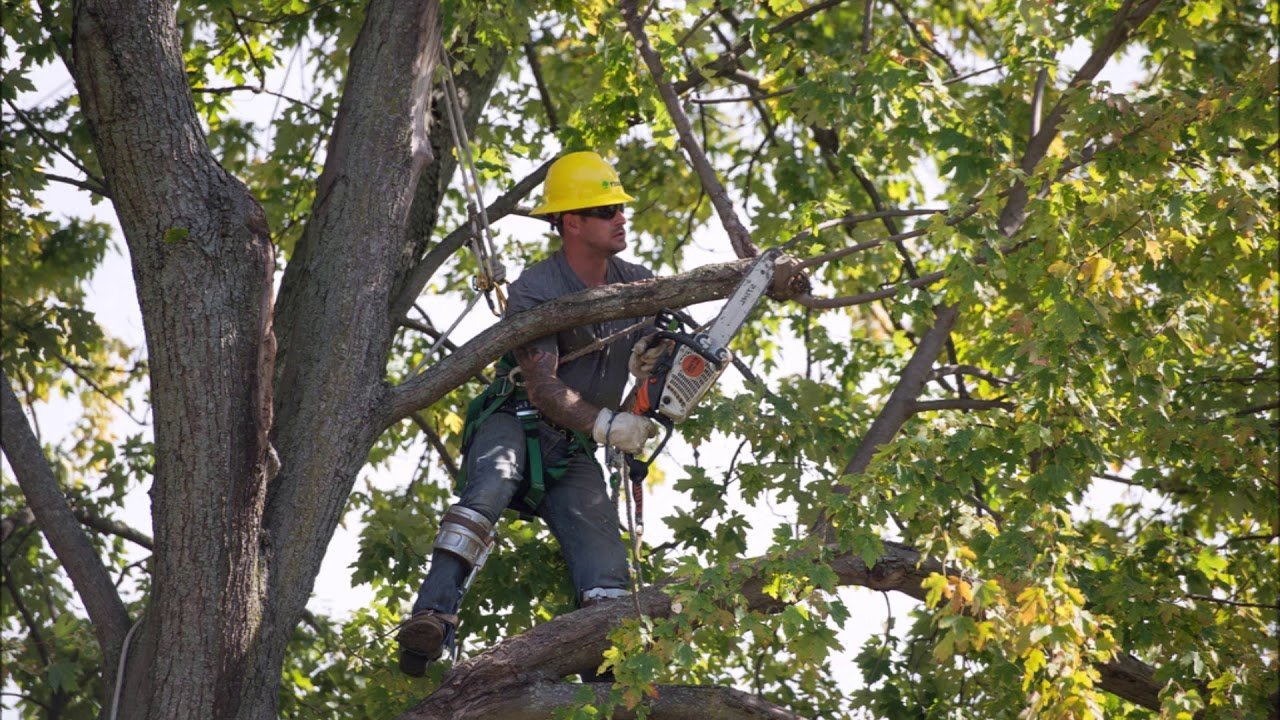
For generations, Mount Vernon has been known as the “City of Trees,” and the canopy that provides character to the city, from Fleetwood all the way to the South Side, is why the process of removing trees in Mount Vernon is a little different than the typical suburb. The price is not only based on the height of the tree, but also by the extent of the city’s tree preservation code and how closely the city buildings are to the trees in question. This is a comprehensive, up-to-date analysis of what Mount Vernon homeowners will end up paying in 2026, what can make that figure more or less, and why the city’s local ordinance is more significant than the ordinance in many Westchester communities.
Quick Answer: Average Tree Removal Costs in Mount Vernon
| Tree Size | Typical Height | Estimated Cost Range |
| Small | Under 30 ft | $150 – $450 |
| Medium | 30 – 60 ft | $450 – $900 |
| Large | 60 – 80 ft | $700 – $1,500 |
| Very Large / Hazardous | 80 ft+ | $1,500 – $2,500+ |
The average cost for a standard single tree removal is in the $600 to $950 range throughout the city, though there is a lot of variability depending on tree size (trunk diameter), tree density (canopy cover), and the proximity to structures and utility lines. Older, established neighborhoods with larger street trees and smaller side yards generally fall on the high end of these ranges, just because it is more difficult to reach these trees and the trees are larger.
How Tree Removal Pricing Actually Works
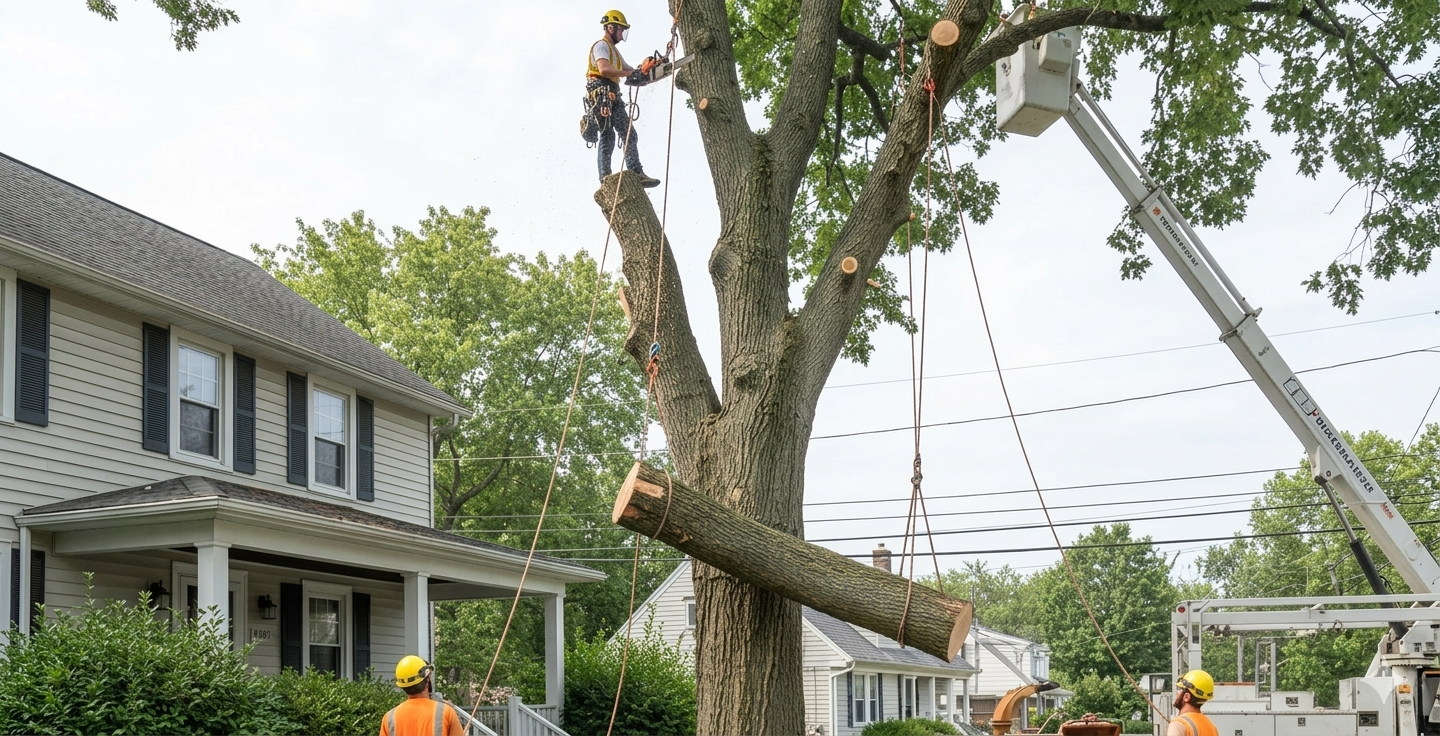
There are three common methods of quoting that licensed tree services in Mount Vernon follow and this will make it significantly easier to compare quotes; know the method you are being quoted by and it will also help you to understand what it means.
Flat per-tree pricing is the standard for most residential removals. It’s a single number based on height, trunk diameter at breast height (DBH), species, canopy spread and site accessibility.
Hourly crew rates show up more often on multi-tree jobs or extended cleanup projects. Single climber solo: $125-$250 per hour, three climbers including chipper and rigging: $250-$450 per hour.
Arborist assessment fees apply when a tree’s health or structural stability needs a professional opinion before anyone touches a saw. An ISA-certified arborist inspection is usually priced at between $100 & $250, and is definitely worth it for any tree that is near a residence, a shared fence line or a power line, as the evaluation is often used in a permit application anyway.
Ask for an itemized quote that separates felling, limb removal, debris hauling, and stump work as distinct line items. When estimates are bundled and vague, it’s incredibly difficult to know what the estimate is for and to compare one company’s estimate with another company’s estimate.
What Drives the Cost Up or Down
The largest single cost factor is tree size/trunk diameter. A wider DBH means more time on the saw, heavier sections to rig and lower, and more wood to haul off-site. It’s also the exact measurement Mount Vernon’s own tree code uses to define a “significant tree,” which ties directly into the permitting section below.
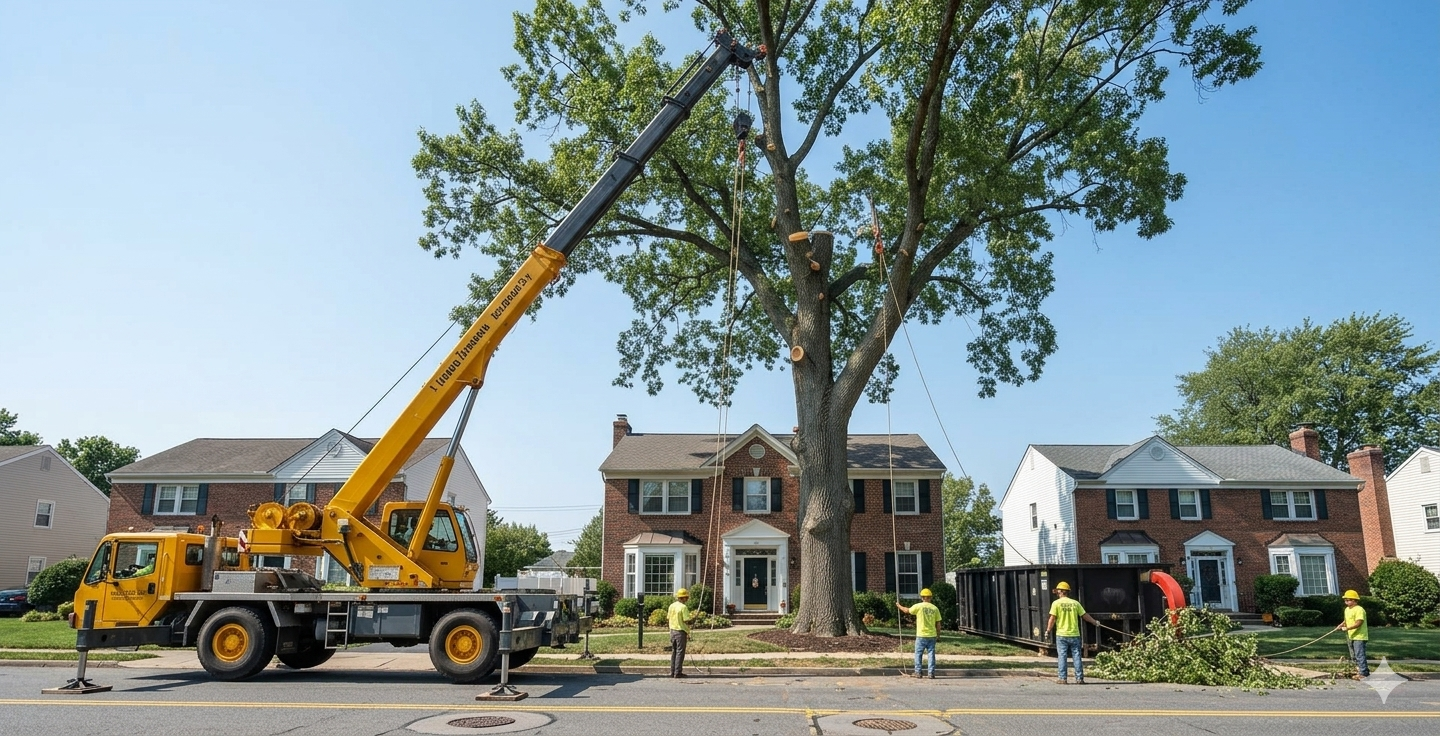
Accessibility is an incredibly important issue in the city of Mount Vernon. Older neighborhoods, such as Fleetwood, have narrow lots that often can’t accommodate a bucket truck, and tight side yards, which are located next to Third Street, can’t house the truck. Backyards boxed in by neighboring garages and fences also often cannot fit a bucket truck. If they must use rigging, a crane or take cautionary measures to protect a fence, roofline or a neighbor’s property, add another $300 to $1,500 to the base removal fee, depending on the complexity of the project.
Species is a factor that is more significant than most homeowners realize. Tree species that grow rapidly, have weak wood and split limbs, such as silver maple or Norway maple, can increase the duration of the task and the risk. Hardwoods such as oak, which are more dense and are associated with sugar maple, (which is common across the city) will take longer to cut and section cleanly. Sweet birch and red maple, common trees on Mount Vernon lands, will normally be in the middle range of prices.
Changing tree health and structure is expensive, too. A dead, storm damaged, or disease stressed tree is a tree that is inherently more expensive to climb and cut for labor cost reasons, as well as being potentially a more difficult tree to climb.
The presence of power lines and buildings reduces the speed of everything. When trees are located near overhead power lines, near a property’s foundation or hanging over a roof, the cutting process must be carefully and thoughtfully rigged and in some cases coordinated with the utility company before cutting may begin.
Your per tree rate will be affected by number of trees removed in one visit. When multiple removals are bundled, the cost per tree will generally be less because the mobilization, equipment set-up and disposal costs are distributed over the entire job rather than per removal.
Always confirm upfront debris removal and hauling. Depending on the density of the city, space for a chipper truck can be limited, so some hauling may be charged separately and is typically between $75-$250 per load.
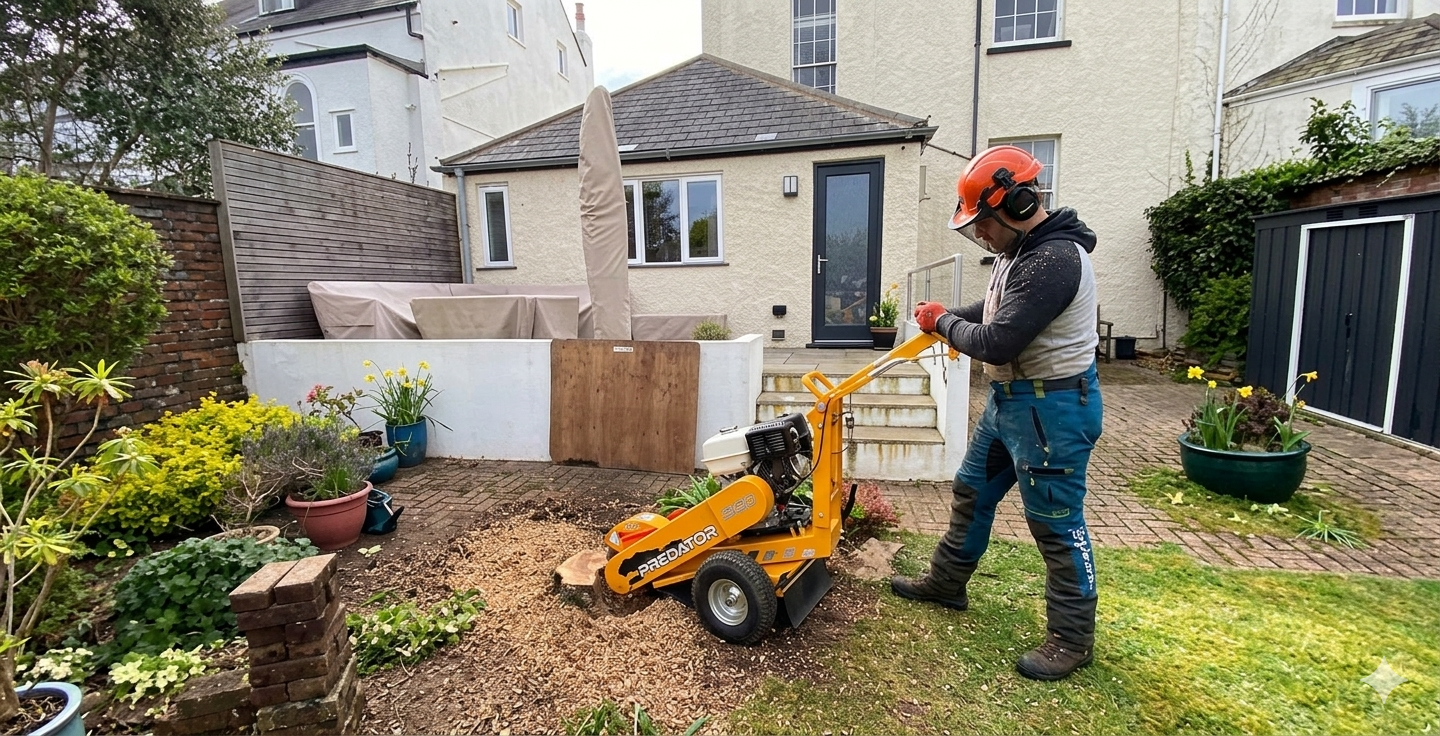
Stump Grinding and Removal Costs
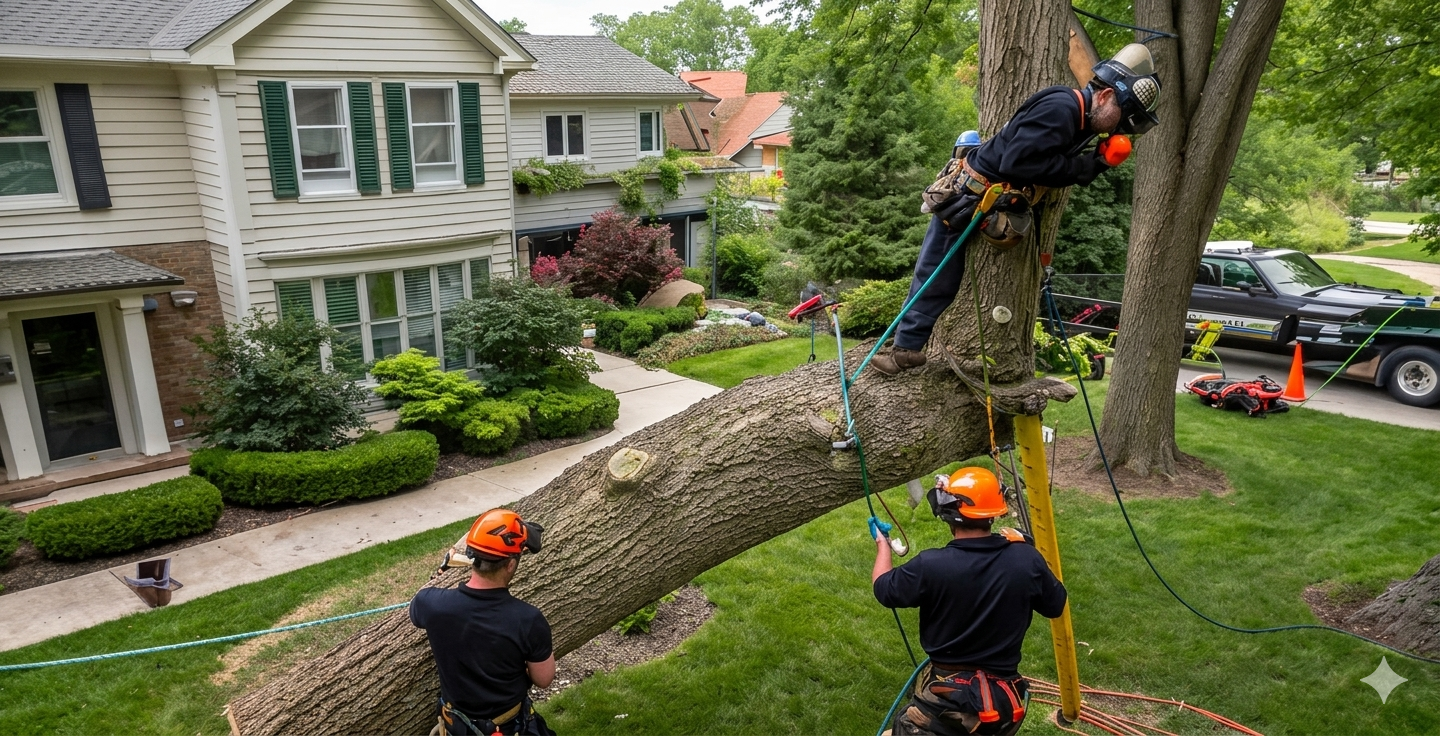
Once the tree is down, most homeowners still need the stump handled. In Mount Vernon, typical pricing runs:
- Stump grinding: $75 – $350, depending on stump diameter and root spread
- Full stump removal (extraction): $200 – $500, more labor-intensive since it involves pulling the root ball rather than grinding it below grade
Grinding is typically the more affordable solution if you’re replanting in the area soon or just wish the stump is not visible. Full extraction is a higher cost but is warranted if the yard is to be regraded or a patio, shed or garden bed needs to be put in at the site of the stump.
Mount Vernon’s Tree Ordinance Can Affect Your Total Cost
This is something that many homeowners don’t plan for and is unique to Mount Vernon and not a generic NY rule. City Code Chapter 252, the city’s comprehensive tree preservation ordinance, defines a “significant tree” as a tree that is 10 inches or larger in diameter at breast height, and any tree designated as endangered, threatened, heritage or memorial. If the tree is of a large size, removal even on private land typically requires a Department of Public Works permit, which is subject to the input of the City Tree Surgeon and Mount Vernon Tree Advisory Board.
There are some financial considerations to take into account. If your property is being considered by a City land use board for other purposes such as a renovation or subdivision approval then any tree removal will require board approval as well as the standard DPW permit. In cases of emergency removal when a tree presents an immediate risk of injury or property damage, it may be removed without waiting for the full permit process, but the emergency should be documented with pictures and, if possible, a written arborist’s assessment. The removal of a significant tree without permission may result in a fine, an obligation to replace the tree (or pay a replacement fee into the city’s Tree Fund Escrow Account), a withholding of future development permits or certificate of occupancy of the property, or a combination of these.
Timing, Provider Selection, and Getting an Accurate Quote
Northeast tree work is usually less expensive during the dormant season (late fall to early spring) due to the reduced demand and the ability to evaluate trees during months when leaves are absent. Summer can be the peak storm season for a quote, and this can be reduced by 10-15% with a winter quote for a non-emergency removal.
Unfortunately, New York does not require statewide licensing for tree removal companies, so it is up to you as the homeowner to do due diligence. Check for General Liability insurance, Workers’ Compensation insurance, at least one ISA Certified arborist on staff for larger trees or trees that need special care due to their structural condition, an understanding of Mount Vernon’s Chapter 252 permitting process (not just general tree removal work), and a written itemized estimate that includes removal, hauling, and stump work.
Conclusion
Each section of Mount Vernon is unique and tree coverage, lot width and the location of other property will all affect the actual figure, which cannot be portrayed in any general price chart. The only truly sure way to find out how much it will cost you is through an on-site assessment. Mt Vernon Tree Service can give you a no-cost, no-obligation quote, and our certified arborists are familiar with Chapter 252 rules and regulations and do not charge an additional fee for the permit. Looking for a tree removal company? Avoid calling other companies and call us first, we will provide you with a straight number and time frame from the beginning.