
Mount Vernon experiences annual tree losses which include trees that require 80 to 100 and even 150 years to grow. Trees vanish from the landscape when people begin renovation projects or driveway expansion work, or when their existence becomes unknown to others.
Mount Vernon’s historical trees grow throughout its older streets because their towering canopies and their thick trunks have remained intact through many generations. Historic trees deliver multiple benefits. The trees help to maintain urban biodiversity, produce soil stabilization and create distinct character for city neighborhoods. The process of preservation starts when people learn about the trees’ significance and the complete requirements needed to sustain their existence.
What Makes a Tree “Historic” in Mount Vernon?
In Mount Vernon a tree needs to exceed normal size dimensions to gain historic recognition status. The tree possesses historical importance which needs to be assessed through various factors.
The most apparent factor relates to tree age. Trees who reach an age range between 80 to 150 years gain heritage tree status when they demonstrate survival through multiple urban development phases. The native species white oak and sugar maple and American elm tree species from the long-living category get linked to traditional landscapes.
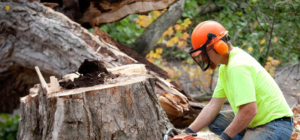
The location of a tree requires people to understand its significance. The trees that populated Mount Vernon’s original environmental footprint create dual value as they exist beyond their function as landscape elements.
Why These Trees Matter More Than You Think
A mature tree in Mount Vernon does far more than provide shade. The tree contributes directly to environmental stability throughout the urban environment.
The large trees in the area store carbon dioxide which results in cleaner air. The tree canopy reduces heat on the ground which helps to decrease the urban heat island effect found in areas with dense construction.
Property value performs as a powerful element in the equation. Properties that feature properly maintained trees which have reached full growth status experience increased resale value because buyers perceive permanent visual and ecological advantages.
Neighborhoods acquire their personality from the tree population. The trees establish visual connections between different time periods which create unbroken pathways throughout streets.
The Real Threats Facing Mount Vernon’s Historic Trees
The process of tree preservation requires more than simple non-interference with tree existence. Historic trees experience deterioration because various activities create problems from their surroundings.
- Construction operations damage tree root areas because work on sidewalks and driveways requires excavation which results in root damage.
- Soil compaction – When heavy machines operate on land and people walk through the area repeatedly the soil experiences compaction.
- The trees face danger from pathogens and diseases because they spread quickly through infected trees.
- Topping and aggressive cutting lead to structural damage which makes trees more likely to experience decay problems.
- Delayed maintenance – The process of maintenance gets postponed when people neglect to address small problems like deadwood.
Homeowners fail to recognize the dangers of these problems because they require time to display their impacts.
Identifying a Historic Tree on Your Property
Your property might have hidden historic trees which you currently do not see.
Start by observing size and structure. The identification of species presents another opportunity for tree identification. Mount Vernon’s historical districts feature native trees which include red oak and American beech as their common tree species that reach long lifespans.
Visual inspection fails to deliver adequate results based on its current capabilities. Arborists with certification can explain tree age and tree health through their professional tree evaluation process. The pruning and treatment require this essential procedure before any tree work starts.
Proper Care Strategies for Long-Term Preservation
The preservation of a historic tree requires different methods than typical yard care procedures. The trees require specific maintenance which should concentrate on their long-term health instead of short-term solutions.
- Urban soil nutrients need restoration through deep root fertilization methods.
- Soil aeration techniques to improve oxygen flow and root health
- Deep watering during dry conditions helps maintain moisture for mature roots.
- Structural pruning to remove weak limbs
- Arborists perform regular inspections to identify tree health problems.
Regular maintenance of trees helps them become healthier while extending the life of historic trees for many years.
Legal and Community Considerations in Mount Vernon
While regulations concerning tree protection in Mount Vernon are not enforced in strict terms at the household level, that does not mean that homeowners have no obligations whatsoever. In certain cases, especially for trees close to public places, permits may be needed prior to tree trimming. It is essential for all property owners to check the local laws and regulations beforehand. This way, people will make proper decisions for their own good and the overall environment.
In addition, community responsibility has its part to play here. Urban forest management and tree protection programs rely on community support.
When Preservation Isn’t Enough
It is also possible to find circumstances in which it would be necessary to remove a historic tree. The process of evaluating trees involves determining whether there are any risks related to the safety of surrounding objects. In such a situation, removal must be performed properly in order to avoid damaging other areas.
The planting of another tree belonging to a native type of plant allows for maintaining ecological balance. Although it will not preserve the history associated with it, at least continuity in the area will be preserved.
The Role of Professional Arborists in Historic Tree Care
The maintenance of historic trees requires professional expertise because it cannot be performed by untrained individuals. Arborists who possess professional training can identify tree biological features and structural weaknesses and assess particular urban environmental challenges.
They identify diseases at their initial stages and suggest suitable treatment methods while performing tree pruning activities that maintain the tree’s health for its entire life. Mount Vernon needs precise work because its limited space and nearby infrastructure create critical requirements. The tree which has lived for more than 100 years will face a reduced lifespan because of one incorrect cut or one incorrect decision.
Building a Culture of Tree Preservation in Mount Vernon
The preservation of historic trees requires a change in attitude.
Rather than considering large trees as an ongoing liability, they must be considered assets to the community. Ensuring that the roots are preserved during development, eliminating unnecessary pruning, and conducting periodic inspections can help achieve this.
When the residents, builders, and local community are all on the same page, then Mount Vernon will be able to keep its character while developing.
Conclusion
The world cannot find a replacement for historic trees because they serve as vital elements that cannot be duplicated. The trees function as living ecosystems which create environmental benefits, boost property values, and establish historical links to modern times. The city loses its essential character through landscaping changes when these elements are removed because they lead to permanent destruction.
The best time to handle tree issues for property owners with mature trees occurs before any signs of trouble arise.Homeowners who want to protect their trees need to work with tree experts who have extensive professional experience. The MT Vernon Tree Service team delivers essential training and tree maintenance methods together with permanent tree protection solutions which help safeguard Mount Vernon’s living historic sites.