
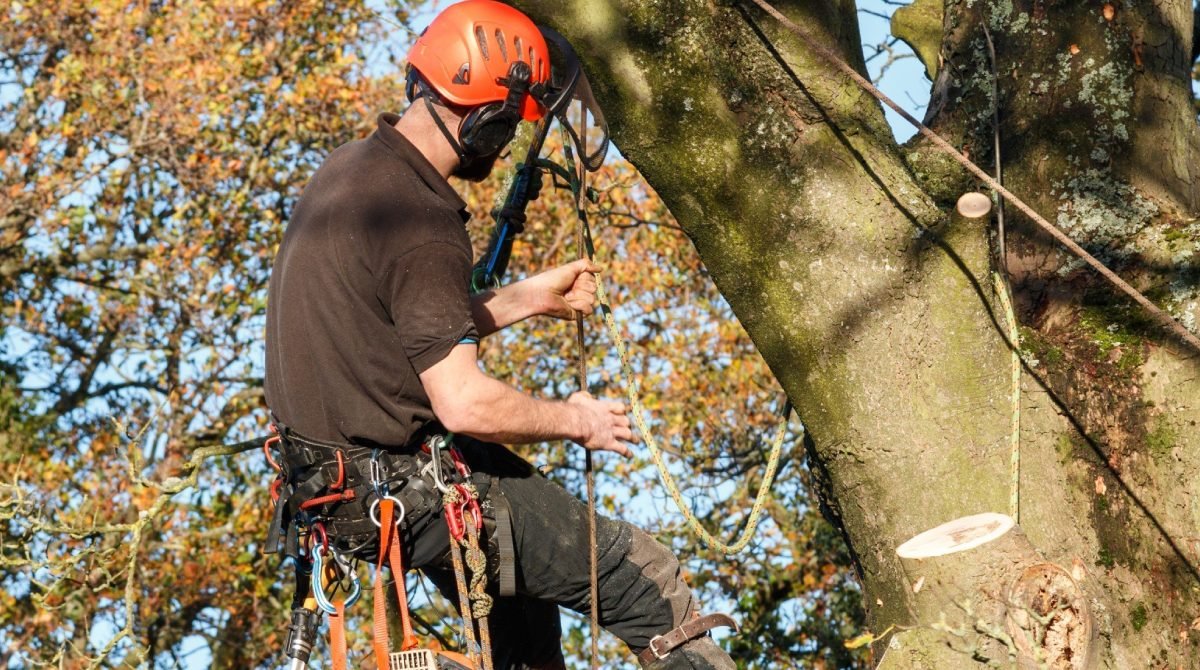
A single diseased tree can threaten the health and safety of your entire property. While some tree diseases can be treated, others spread quickly and cause irreversible damage. Removing a severely diseased tree at the right time helps protect nearby trees, prevents safety hazards, and keeps your landscape healthy for years to come.
Tree Diseases Can Spread Quickly
Many fungal infections, bacterial diseases, and insect infestations move from one tree to another through roots, insects, or airborne spores. If a diseased tree is left untreated, nearby healthy trees may also become infected.
Early removal helps stop the spread before it affects your entire landscape.
Recognize the Warning Signs
Homeowners should watch for symptoms that may indicate serious tree disease, including:
- Dead branches
- Yellowing or spotted leaves
- Peeling or missing bark
- Mushrooms growing around the trunk
- Large cracks or cavities
- Excessive insect activity
- Branches dying from the top down
A professional inspection can determine whether the tree can be treated or should be removed.
Improve Property Safety
Diseased trees gradually lose their structural strength. As decay spreads through the trunk or root system, branches become brittle and the tree becomes more likely to fail during storms or high winds.
Removing hazardous trees before they collapse protects your home, vehicles, and outdoor spaces.
Protect Healthy Trees
Healthy trees compete for sunlight, water, and nutrients. A diseased tree not only spreads infection but also weakens the surrounding landscape by attracting insects and reducing the overall health of nearby vegetation.
Professional removal helps preserve the long-term health of your property.
Prevent Pest Infestations
Many insects are attracted to weakened or dying trees. Once established, these pests may spread to nearby trees or wooden structures around your home.
Removing infected trees early reduces the risk of widespread pest problems.
Improve the Appearance of Your Landscape
Diseased trees often have thinning canopies, dead limbs, and discolored foliage that negatively affect curb appeal. Removing unhealthy trees instantly improves the appearance of your property and creates opportunities for new landscaping.
You can use the newly available space for:
- Planting healthy trees
- Flower gardens
- Lawn expansion
- Outdoor seating areas
- Decorative landscaping
Why Professional Tree Removal Is Recommended
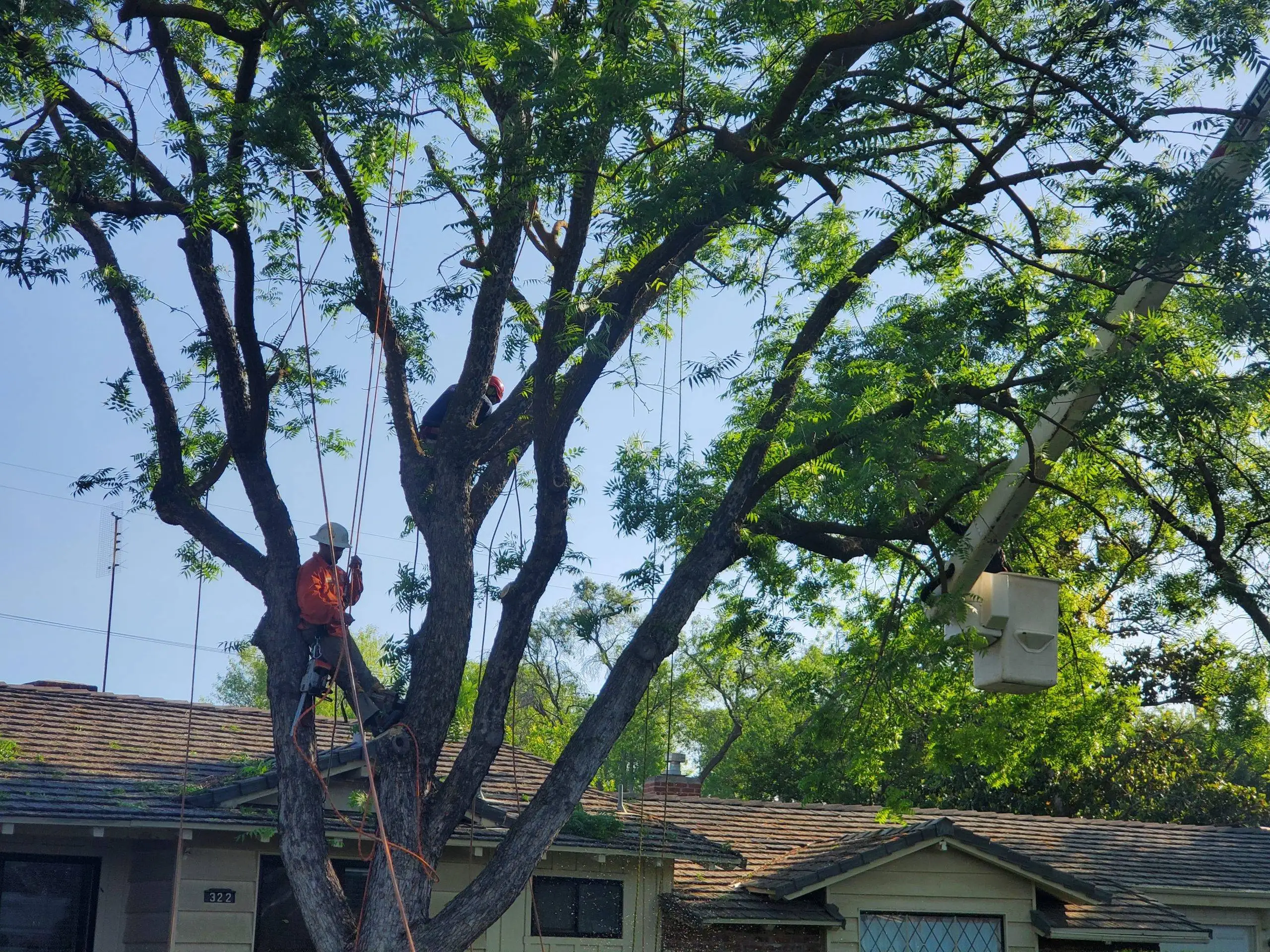
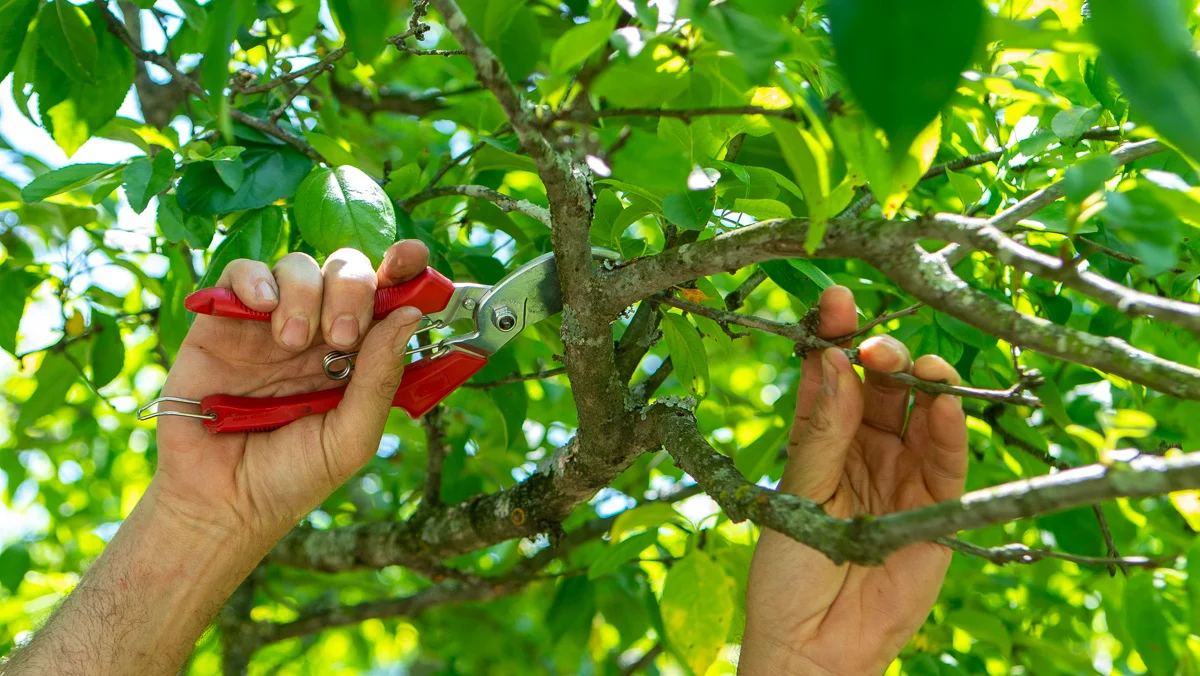
Removing a diseased tree requires proper equipment and experience, especially if the tree is unstable or located near buildings. Professional tree care specialists safely remove infected trees while minimizing the risk of spreading disease during the process.
They also provide debris removal and stump grinding to complete the project.
Benefits of Early Tree Removal
- Prevents disease from spreading
- Improves property safety
- Protects nearby healthy trees
- Reduces pest infestations
- Enhances curb appeal
- Creates more usable outdoor space
- Prevents costly emergency situations
Conclusion
Removing a diseased tree is often the best way to protect the health of your landscape. By acting early, homeowners can prevent disease from spreading, reduce safety risks, and maintain a beautiful outdoor environment. Regular tree inspections and prompt professional care help ensure your property remains safe, healthy, and attractive throughout every season.